European Climate Law sets the goal to reduce greenhouse gas emissions by at least 55% until 2030 and become completely climate neutral by 2050. Europe then would be the first climate-neutral continent. This could prevent millions of heat-related deaths, protect nature and save billions in costs.
How does the EU tackle climate change?
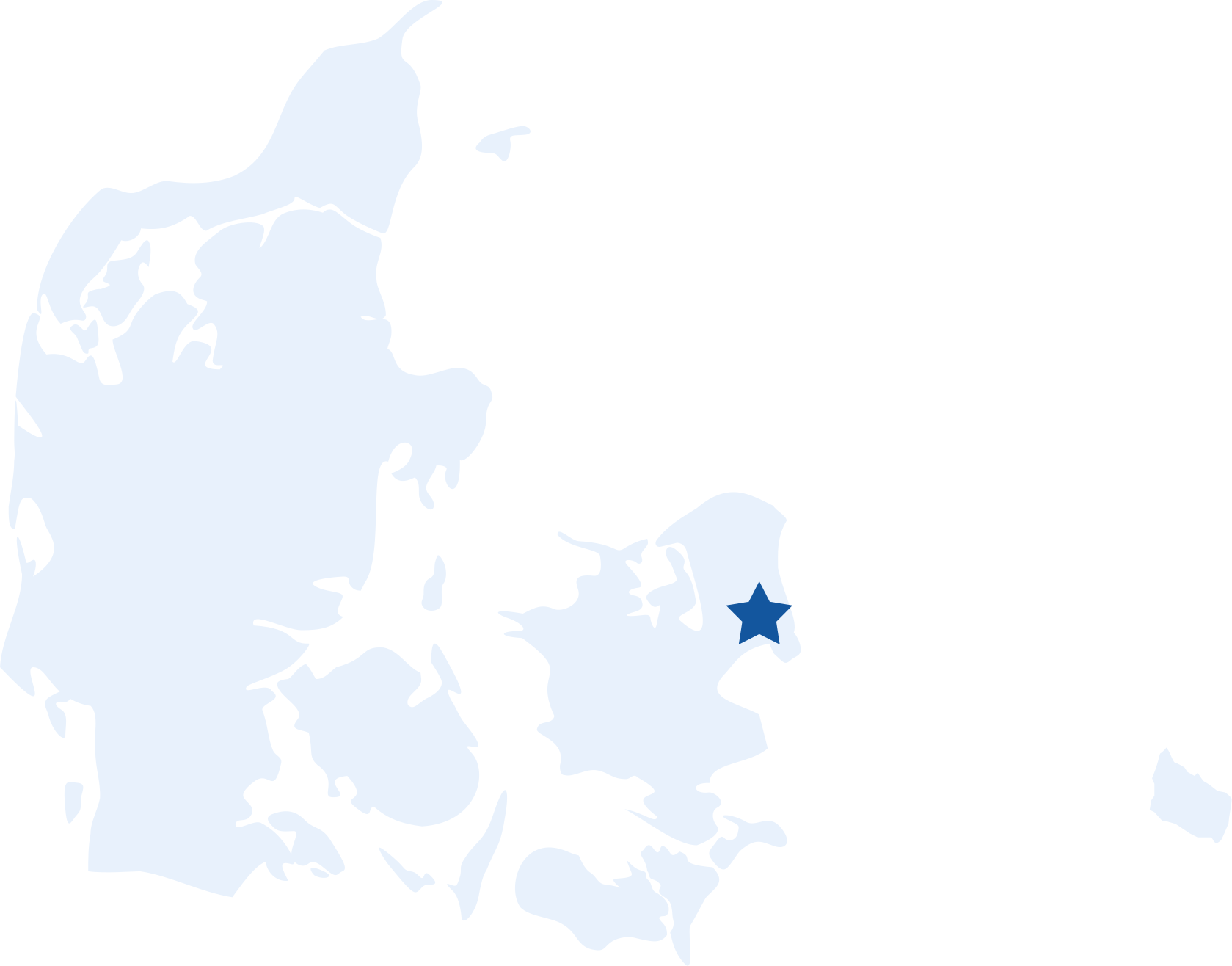
Climate change affects everyone and everything on the planet. Rising temperatures, extreme weather events, floods, droughts, and sea level rise are big risks. These can damage homes, infrastructures and ecosystems. The EU’s climate policies have the goal to reduce greenhouse gas emissions. Denmark is a leader in renewable energy and sustainability and can be seen as a model country.
Table of Contents
- 01 Key Information
- 02 Everyday Example
- 03 Good to Know
- 04 FAQ
- 05 Quiz
- 06 Summary
Everyday Example
Anna lives in Croatia in a small town. Her house is old and uses a lot of energy. Through an EU-funded programme her town offers financial support for renovations that improve energy efficiency. Anna installs solar panels and replaces her old heating system. She pays less for electricity and produces fewer greenhouse gases. The local construction company gets work creating new green jobs and the town’s air quality improves. Anna supports Europe’s climate targets without changing her lifestyle drastically and benefits financially and environmentally.
Good to Know
Did You Know?
The Just Transition Fund is an EU programme that provides financial support to regions and workers that are affected by the shift away from fossil fuels. They help them invest in green jobs, clean energy and sustainable economic development.
What Can You Do?
You and everybody else can do positive things to help the environment. Starting with small things like separating waste properly or using public transport instead of your own car. You can use renewable energy at home, like solar panels or green electricity. Bigger things can be done by supporting local sustainability projects or by influencing other people to be more sustainable.
FAQ
China is mostly responsible for climate change and we cannot do anything about it.
No, climate change is a global problem. China is one of the biggest producers of greenhouse gases, but mostly because it is such a big country. In 2021 the G20 countries were compared. If you test on emissions created per citizen and not in total per country, China only comes in 7th place. Germany for example comes in 9th place. The EU can have a significant impact on worldwide climate protection.
How much greenhouse gas emissions worldwide are produced in the EU?
In 2023, EU countries created 6% of greenhouse gas emissions worldwide. In 2022 it was 14%. This shows that EU regulations already work and greenhouse gas emissions are reduced. The EU is on track to reach their goals for the years 2030 and 2050.
Do scientists agree on the cause of climate change?
Yes, in 2021, 99 percent of scientific literature found that climate change is human-made. The idea that this is not the case is made up by climate deniers.
Quiz
How many percent of scientific literature agrees that climate change is human-made?
-
99% of literature agrees that climate change is human-made.
What is the main goal of the EU Green Deal?
What happens if a country does not meet the climate targets?
-
The country can be fined by the European court of justice
Summary
-
EU environmental law exists to fight climate change and achieve climate neutrality by 2050. They do this by reducing greenhouse gas emissions and transitioning Europe into a sustainable economy.
-
The law protects people by reducing extreme weather risks, improving air quality, promoting clean energy, and creating green jobs. It secures citizen's and nature’s health and the cost of living.
-
The EU ensures this by controlling if the environmental and climate regulations are implemented in the member states effectively. Also, they fund sustainable development of citizens, towns and businesses.