🔸 Environment: The ECJ has fined countries for failing to reduce air pollution, helping improve air quality for millions.
🔸 Financial Protection: OLAF and EPPO investigate fraud involving EU funds, ensuring public money is used correctly.
🔸 Security: Europol helps national police forces coordinate against organised crime and terrorism.
🔸 Consumer Rights: Unsafe products can be quickly recalled across all EU countries.
Challenges in Enforcement
Even with strong institutions, enforcing EU law faces obstacles:
– Different legal traditions – Some countries have civil law, others common law, which can slow coordination.
– Political resistance – National governments sometimes delay implementing unpopular EU rules.
– Complex bureaucracy – EU law touches many sectors, from environment to digital markets, requiring constant oversight.
The Role of Citizens and NGOs
EU law enforcement isn’t just for institutions — citizens play a vital role too! NGOs and journalists often expose violations (e.g., illegal pollution or unfair competition). Citizens can bring complaints directly to the European Ombudsman or the Petitions Committee of the European Parliament.
Looking Ahead: The Future of EU Law Enforcement
The EU is investing in digital tools and AI to improve transparency and tracking of law implementation:
– Data dashboards monitor compliance in real time.
– AI-assisted translation tools help legal cooperation across languages.
– New initiatives aim to strengthen public trust by making EU law enforcement faster, fairer, and more open.
Did You Know?
– The Commission opens hundreds of infringement cases each year.
– The ECJ can issue fines of millions of euros per day if a country fails to comply with EU law.
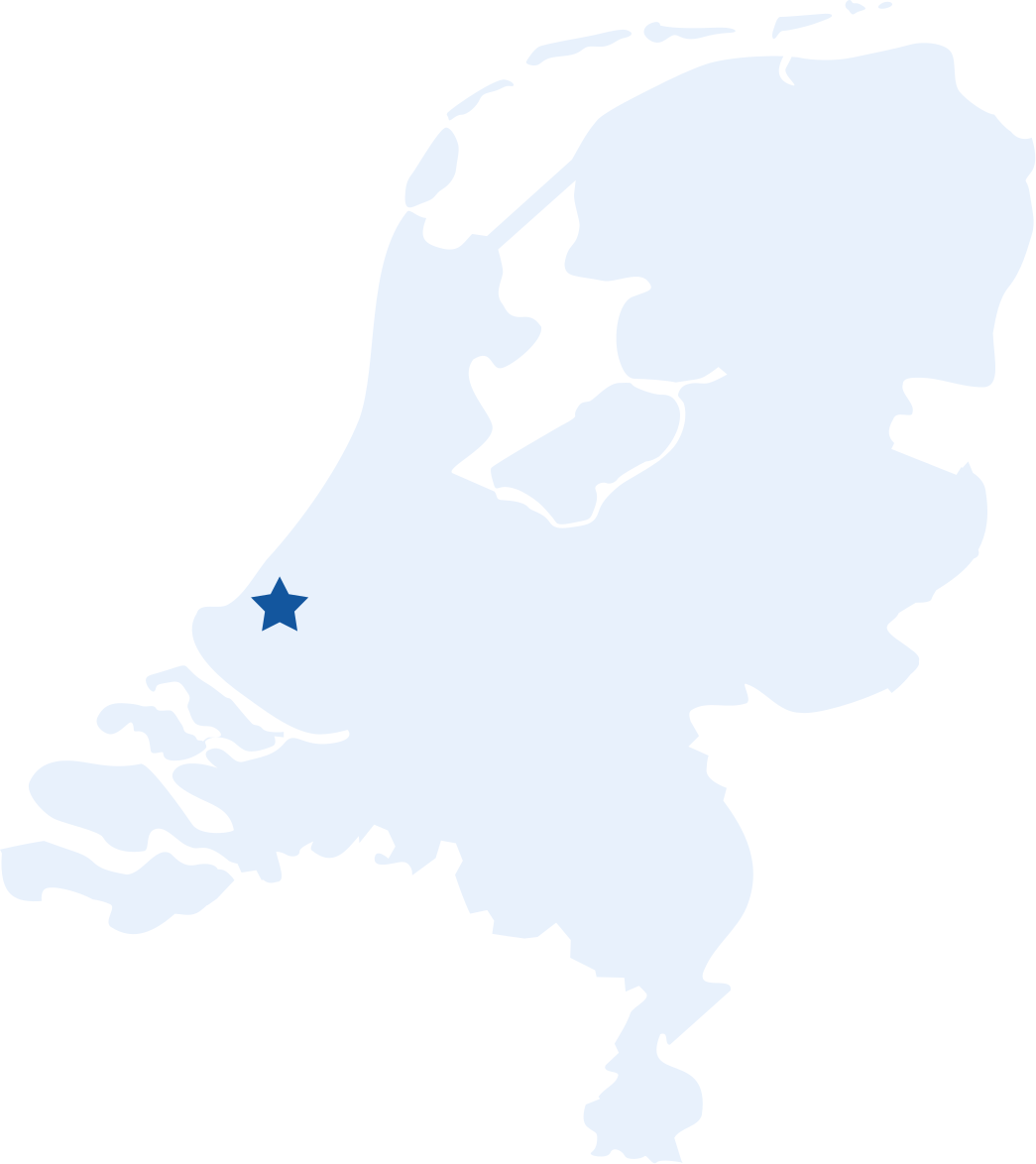
– The “legal capital of the world” – The Hague – hosts not only Eurojust but also the International Court of Justice and the International Criminal Court.